
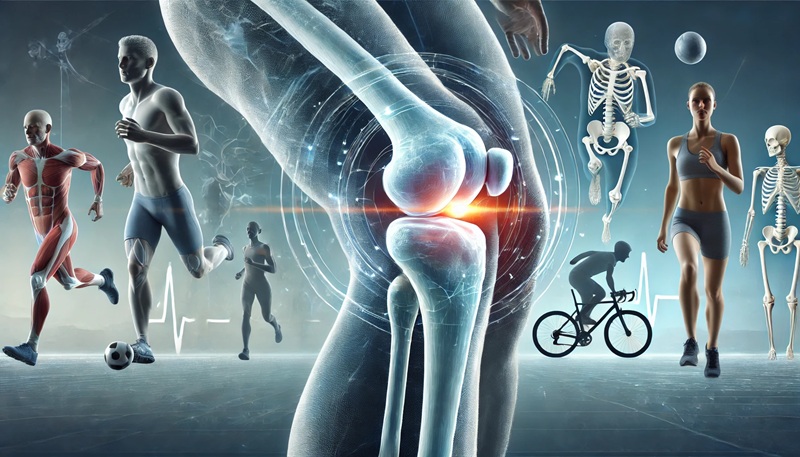
Orthobiology is an interdisciplinary field of medicine that utilizes biological substances to enhance the healing of musculoskeletal injuries and accelerate tissue regeneration. This approach integrates principles of biology, regenerative medicine, and orthopedics to stimulate natural healing processes, reducing the need for invasive surgical interventions.
Unlike conventional medical treatments that focus on symptom management, orthobiological therapies aim to harness the body’s regenerative potential, not only alleviating pain but also actively promoting the repair of damaged tissues.
Key Components of Orthobiology
1. Platelet-Rich Plasma (PRP)
PRP therapy involves the use of plasma derived from the patient’s own blood, which is processed through centrifugation to isolate platelets rich in growth factors. These growth factors play a crucial role in tissue healing by stimulating cell proliferation, angiogenesis, and extracellular matrix synthesis.
Clinical benefits of PRP therapy include:
✔ Enhanced treatment of tendinopathies (e.g., tennis elbow, Achilles tendinopathy)
✔ Reduction of knee osteoarthritis symptoms and improved joint function
✔ Faster recovery following orthopedic surgeries
2. Stem Cells
Stem cells, particularly mesenchymal stem cells (MSCs), have the ability to differentiate into various cell types, including chondrocytes (cartilage cells) and osteocytes (bone cells). They can be harvested from bone marrow or adipose tissue and used to regenerate damaged cartilage, tendons, ligaments, and bones.
Potential applications of MSC therapy:
✔ Cartilage restoration in osteoarthritis and degenerative joint diseases
✔ Treatment of sports injuries affecting ligaments and tendons
✔ Improved bone healing in fractures
3. Hyaluronic Acid
Hyaluronic acid is a natural component of synovial fluid, providing lubrication and cushioning for the joints. Hyaluronic acid injections are used to treat osteoarthritis symptoms, offering temporary pain relief and improved joint function.
Proven benefits of hyaluronic acid include:
✔ Improved joint mobility in osteoarthritis
✔ Reduction of pain and inflammation
✔ Enhanced biomechanical properties of synovial fluid
4. Collagen and Peptide Supplements
Collagen is a key component of connective tissue (tendons, ligaments, cartilage), and collagen supplementation can help strengthen these structures. Some studies suggest that oral collagen peptide intake may improve joint integrity and reduce pain in athletes and individuals with degenerative joint diseases.
Benefits of Orthobiological Therapies
✅ Faster Tissue Regeneration
By utilizing biological agents such as PRP and MSC therapy, orthobiology accelerates natural healing processes. PRP stimulates local cell growth mechanisms, while stem cells participate in cartilage and bone tissue regeneration, leading to long-lasting functional improvements.
✅ Minimally Invasive Procedures
Most orthobiological treatments are administered through injections, minimizing risks and reducing recovery time compared to traditional surgical procedures. These treatments allow for a faster return to physical activities and sports without the need for lengthy rehabilitation.
✅ Pain and Inflammation Reduction
Biological treatments modulate inflammatory processes and have analgesic effects, improving patients’ quality of life. PRP therapy, for example, has demonstrated significant efficacy in reducing pain in knee osteoarthritis patients.
✅ Lower Risk of Side Effects
Since autologous substances (derived from the patient’s own body) are used, orthobiological therapies carry a low risk of immune reactions and disease transmission, unlike synthetic drugs or implants.
Applications of Orthobiology
🔹 Sports Injuries
Treatment of acute and chronic injuries affecting muscles, tendons, and ligaments, including tendinopathies and ligament ruptures (e.g., anterior cruciate ligament – ACL).
🔹 Degenerative Joint Diseases
Management of osteoarthritis and other degenerative conditions where orthobiological methods help restore cartilage and reduce symptoms.
🔹 Chronic Back Pain
Therapy for disc-related pain and degenerative spinal changes, where biological agents contribute to the regeneration of damaged structures.
🔹 Cartilage Injuries
Regeneration of damaged joint cartilage, potentially improving joint function and delaying the need for surgical interventions such as knee replacement.
The Future of Orthobiology
While orthobiological therapies offer promising results, further clinical research is necessary to standardize procedures and better understand the long-term effectiveness of these treatments. Variability in the composition and application of biological preparations can influence therapeutic outcomes, emphasizing the need for regulated protocols and more comprehensive scientific studies.